
"Honduras Copan"
300 article(s) found

Kaddura flavor description of Honduran coffee with mixed aroma quality characteristics of taste grinding carving
In Honduras, coffee producing areas are divided into six major producing areas, covering the west and south, namely, Santa Barbara (Santa Barbara), Perry request (El Paraiso), Koban (Copan), Bazi (La Paz) and Gongmayagua (Comayagua) and Olan Qiu (Olanc).

The 17th Love Sage Manor in COE, Honduras, the flavor and flavor of the international bidding batch of Pacas species.
Professional coffee knowledge exchange more coffee bean information please follow the coffee workshop (Wechat official account cafe_style) Honduras COE 17th Valentine Manor washed Pacas international bidding batch flavor and taste description? Honduras was previously less well-known in the consumer market because it did not have strong support for the handling and transportation of raw beans. In recent years

Introduction to the flavor of washing bourbon hand-flushing parameters in the San Juan Xido area of Honduran coffee
For professional baristas, please follow the coffee workshop (Wechat official account cafe_style) flavor: clean, roasted nuts, milk chocolate in Honduras, coffee producing areas are divided into six major producing areas, throughout the west and south, namely Santa Barbara (Santa Barbara), Perry request (El Paraiso), Coban (Copan), La Paz (Bazi) and Gongmayagua (C).

Which brand of Honduran coffee beans is good? description of the temperature and flavor of boiled coffee beans in Moca Manor Shirley.
For the exchange of professional baristas, please follow the coffee workshop (Wechat public number cafe_style) in Honduras, coffee producing areas are divided into six major producing areas, spread to the west and south, namely Santa Barbara (Santa Barbara), Perry request (El Paraiso), Coban (Copan), La Paz (La Paz), Gong Mayagua (Comayagua) and Olanqiu (Olancho).
Flavor description of Honduran Coffee beans introduction to manors in producing areas
Taste description of Honduran Coffee beans: rbara), El Paraiso, Copan, La Paz, Comayagua and Olancho. The average planting height is more than 1100 meters above sea level. The variety of coffee is Arabica, and 69% belongs to HG high and low coffee.

Introduction of Honduran raw bean culture boutique coffee beans
Honduran coffee seems strange to many coffee drinkers. When it comes to coffee production, the geographical conditions of Honduras are no less than those of neighboring coffee-producing countries such as Guatemala and Nicaragua. However, in the past, Honduras was less well-known in the consumer market because it did not have strong support in the handling and transportation of raw beans. Honduras (Honduras) 2

The geographical conditions of coffee production in Honduras, Santa Barara
For coffee production, the geographical conditions of Honduras are no less than those of its neighboring coffee-producing countries such as Guatemala and Nicaragua. There are 280000 hectares of coffee plantations in Honduras, mainly small coffee plantations, most of which are less than 3.5ha. These coffee plantations account for 60% of the total coffee production in Honduras. In the coffee garden, because the planting land belongs to
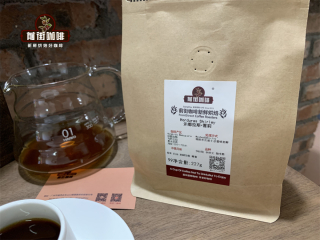
Introduction to the characteristics of Honduran Shirley Coffee in the way of dealing with whisky and Shirley Coffee
Professional coffee knowledge exchange more coffee bean information please follow the coffee workshop (Wechat official account cafe_style) front street-whisky barrel treatment brief introduction Shirley, origin of Honduras, barrel treatment, flavor: whisky, melon, chocolate. The palate is rich in layers, with a perfect balance between acidity and alcohol thickness.

Introduction to the origin, characteristics and cultural treatment of coffee beans in Honduras
There are six main coffee producing areas in Honduras, including Santa Barbara, Copan, Ocotepeque, Lempira, La Paz and El Paraiso in the southeast. Honduran coffee tastes less acidic, while caramel is more sweet. The taste of coffee from these five different producing areas is also slightly different, some slightly sour.
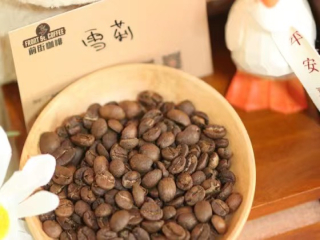
Fermentation flavor and taste characteristics of Honduran sherry coffee bean whisky barrel and its production area grading standard
Honduras is the second largest exporter of coffee in Central America, and even if you look at the world, it can rank in the top 10. The taste of Honduran coffee beans is rich and mellow, sour and slightly sweet in the mouth, not sour or astringent in taste, full-bodied, very soft and long in sweetness. The balanced taste of Honduras made him

What is the quality of coffee in Honduras? what is the brand of Panamanian coffee?
The exchange of professional baristas please follow the coffee workshop (Wechat official account cafe_style) Panamanian coffee brand: Panamanian specialty coffee is classified and numbered into small batches, small batches are designed to small capacity for optimal management, classification numbers enable buyers to understand and track information throughout the process. Because of its small quantity, Panamanian coffee products are based on special coffee. Country

Honduras Ecuador Small Farmer Coffee Quality How about St. Vincent washed Pacas Flavor Introduction
Origin: Santa Barbara Producer: Edgardo Tinoco Smallholder treatment: Beneficio San Vicente Altitude:1500m Variety: Pacas Treatment: Wash Grade:SHG Honduras is located in Central America, mostly high mountains and deep valleys, with excellent rings for growing coffee trees

Are the western and southern parts of Honduras larger coffee producing areas?
The average planting height of Choluteca, Francisco Morazan, La Paz, Siguatepeque, Santa Barbara, Intibuca, Copan and Ocotepeque., is more than 1100 meters above sea level. Coffee varieties are 100% Arabica, 69% are HG, 12% are SHG,19% and CS.

Octavia Otavia Coffee producing area in Honduras | Coffee rating
Professional coffee knowledge exchange more coffee bean information please follow the coffee workshop (Wechat official account cafe_style) according to IHCAFE data, Honduran coffee can be divided into six major producing areas, mainly located in the west and south of the Coban District (Copan), Obalaka District Opalaca), Montecillos (Montecillos), Gongma Agua (Comayagua), Akata (Agalt)

Honduran Coffee | Kosawa Cooperative introduces Cosagual Fair Trade Coffee
Cosagual cooperative production area, Honduras: Copan Manor, Honduras: Cosagual cooperative altitude: 1200-1800m varieties: Kaddura, Kaduai treatment: washing flavor: ground peanut almond nut flavor, cooked with jasmine or violet flowers, albino plum sour taste smooth smooth mouth slightly smoky taste, remaining

Introduction to the name of coffee bean manor in Honduras
There are six main coffee producing areas in Duras, including Santa Barbara, Copan, Ocotepeque, Lempira, La Paz and El Paraiso in the southeast. Honduran coffee tastes less acidic, while caramel is more sweet. From these five different

Is Honduran Coffee good? introduction to Honduran Coffee producing areas
For the exchange of professional baristas, please follow the coffee workshop (Wechat official account cafe_style) Honduras Coffee producing areas: in Honduras, coffee producing areas are divided into six major producing areas, spread to the west and south, namely, Santa Barbara (Santa Barbara), El Paraiso (El Paraiso), Copan (Coban), La Paz (Baz) and Comayagua (Guagua).

Honduras six major coffee producing areas Opalaca Opalaca coffee cultivation situation Flavor characteristics Introduction
Professional coffee knowledge exchange More coffee bean information Please pay attention to Coffee Workshop (Weixin Official Accounts cafe_style) Honduran coffee is divided into six major producing areas, covering the west and south, namely Copan, Opalaca, Montecillos, Comayagua and Agalta Tropical
Honduras-Olanqiu Coffee producing area Honduran Coffee Variety Honduran Coffee Manor
Professional coffee knowledge exchange more coffee bean information Please pay attention to Coffee Workshop (Wechat official account cafe_style) there are 280000 hectares of coffee plantations in Honduras, mainly small coffee merchants, most of which are smaller than 3.5 hectares, accounting for 60% of Hongguo's production. In the coffee garden, men and women collect coffee beans with their hands, then handle them carefully and treat them

Introduction to the Coffee planting Environment in Honduras where the planting area belongs to the Mountain area
For coffee production, the geographical conditions of Honduras are no less than those of its neighboring coffee-producing countries such as Guatemala and Nicaragua. There are 280000 hectares of coffee plantations in Honduras, mainly small coffee plantations, most of which are less than 3.5ha. These coffee plantations account for 60% of the total coffee production in Honduras. In the coffee garden, because the planting land belongs to